The dawning breeze from the lagoon holds a promise of warmthIn its morning ease,Gently rippling the turquoise water and winged lion banners,Then dancing on across the piazza where yawning waiters complainAnd early romancing lovers teaseWith laughter and whispers, As La Serenissima prepares to reprise once again, Her entrancing comedy of manners.
2. L’estate (Summer)
The sun was ostentatiously flouncing around its glamorously empty sky,High above the languidly languishing, flirtatiously sighing town,Fluttering and fanning and smiling amorously as if in love,Beguiling the nervously stuttering man with her gorgeously sly summer gown,So carelessly and breathlessly and deliberately coming undone.
3. L’autunno (Autumn)
From the top of the Campanile the circus girl jumped,Dressed in the clothes that she kept for best,Blessed with her secret she had leapt towards the scarlet sunDeclining in breath-taking splendour to the west.Visitors and pigeons scattered terrified when she landed amongst them, Then quickly recovered and gathered around.The horrified tourists speculating on her motive or reason,While the spectating birds simply fussed about the fallen one,That had flown just once to never again leave the ground.
4. L’inverno (Winter)
Etched by white acid burning out of the north blown night,Boiling and turning in a vortex of frozen crystal light,Stretched tight with ice was the alley from the midnight square,Coiling with snow serpents rising venomous from their lair,Writhing and striking and biting like bright cutting diamonds, Behind the dark shadowed cathedral mysterious as a prayer,Where the jealous blinding took place in cold blood,Any flood of screams lost with a tongue to the howling air.
I made love to a woman in tears And then I wept. For all her shining years were there condensed, And in their salty tracks I sensed an ending; Before we finally slept.
She had the face of a Russian doll
She had the face of a Russian doll. A beautiful doll that concealed another, Then another, Dwindling in sequence to an empty space, Never to be revealed; Hidden forever beneath her layers of experience.
Where’er you walk (for SJ)
Where’er you walk All is gentled in its condition; And in the very air Music from above plays unbidden, Breathing softly of grace and beauty, Descended with love of its own volition To accompany this blessed and beloved odyssey; For where’er you walk All is gentled in its condition.
The first dew is drawing down upon the cello curve of hill and valley, Black waist and hip rounded with a quicksilver crest above the hidden source Of ghostly water, emerging so bashfully in its farewell to virginity; Frond dripping, sponge moss green distilling Through night cress beds needled with rushes, Pure as the driven stars, Pebbled with planets, In shining harmony with their lofty spheres for the beginning of the journey; Slipping free, streaming light, singing softly, Fondly falling like a day-dreaming daughter stealing away to sea.
Above the steep medieval streets paved with ochre chevrons, The piazza reclines in serenity between the knife-edges of shadow and light, As it has since before the flown lion conquered all with its vaunting pride, And petrified the city into its marble and stone posterity of pink and white; Arched and columned beneath the ancient clock-tower, Older than the time of Leonardo, Sun-dialling alone from a bright blue sky Around the blazing square’s architecture of power. But beyond the Palazzo della Ragione, Heaven’s immaculate beauty is shining through its high vaulting, To illuminate the intricate façade of Santa Maria Maggiore, Where golden children ride the worn pink lion forever haunting its portico.
There were only four at the end, just four, To witness the last sad ritual; Oh, and of course a priest, Weary and perfunctory, With another office to perform in an hour. The guilty husband, the teary father, the angry son And curiously to some, the husband’s mistress; Gathered in the echoing empty crematorium, Each displaying various degrees of regret and distress As they contemplated the eternal mystery Of our human frailty and her precious departed spirit; Quia multum amavit.
Beside the clear brook Where Rossetti walked with Jane; Green reeded and banked with wild flowers, Fit for an Ophelia’s song; We strode through the rich grass in our sweat-shop shoes, Talking too much, Like guilty men who knew their wrong. The span of generations passed in a glance At the sun-honeyed stones set against the blazing sky; Long ago there was a vision of chivalry and romance, That filled this glowing garden and manor house close by With inspirations and creations as eternal as Avalon.
2.
Summer.
The river became the silver Arno in a mirage of hazy gleaming; A cool white hand lolled from the boat in its gilded water, Softly afloat in Oxfordshire, With Florence downstream dreaming. Capture the fleeting look with lines on paper, Punctuated or shaded, Beneath the trees of dark English root; Don’t move. Pocket-watches passing hours till the rose evening; Dressing and dinner and verse and wine, And dark velvet shadows Thick beyond the candlelight, As mysterious as the ticking of time.
Then was the girl in a white dress dancing; Dancing through cool silver trees, In slow motion depths of dark shadows And eclipse of stilled branches ease. Turning, Flowing, Wondering, Billowing, Fleeting ghost in heaven’s time running On moon-cast glistening beams; Flying on ribboned shoes caressing, Gentled by the measure of her dreams. Night birds begin to sing softly, High in their fan of sinuous vaulting, Flashing in lightning tracery gleams; As pavanes of angels cross the dimming sky With their spheres of light before them, To witness alone this precious haunting Evocation of the evening star.
(Lines written in The Lord Mayor’s Chapel, Bristol, on the afternoon of the 10th of November 2018, at a concert to mark the 100th anniversary of the end of the First World War.)
__________________________
High in the glowing stained-glass above the altar, I saw the shadows of newly arrived birds outside on the ancient tracery; And I thought that it was as if in their freedom they had come to listen to the songs and poems commemorating the fallen. Like dark winged spirits they had come; And how still they were now as those bitter psalms echoed in the consecrated air.
His writing comes from his heart, head and pen… yes he still loves pen and paper
Be yourself; Everyone else is already taken.
— Oscar Wilde.
Paul, a poet following the tradition of the land of his birth, was born and raised in the small village of Caerau, in the beautiful Lynfi valley of South Wales, and is now resident in Bristol, England. He has enjoyed a variety of different ‘careers’, including working on archaeological excavations, and for many years earning his living as a professional artist. He has travelled extensively in Europe, with an especial love for the cities of Paris, Florence and Venice, and has a great interest in philosophy, literature, history and the arts, which is reflected in his work. Paul says that he searched for years to find the right medium to truly express his ideas, and at last found the answer in poetry, something he has read and enjoyed all his life. In his own words, ‘When I started writing verse, I felt like a prodigal son being welcomed back to the home I left, many years, and many choices ago.’

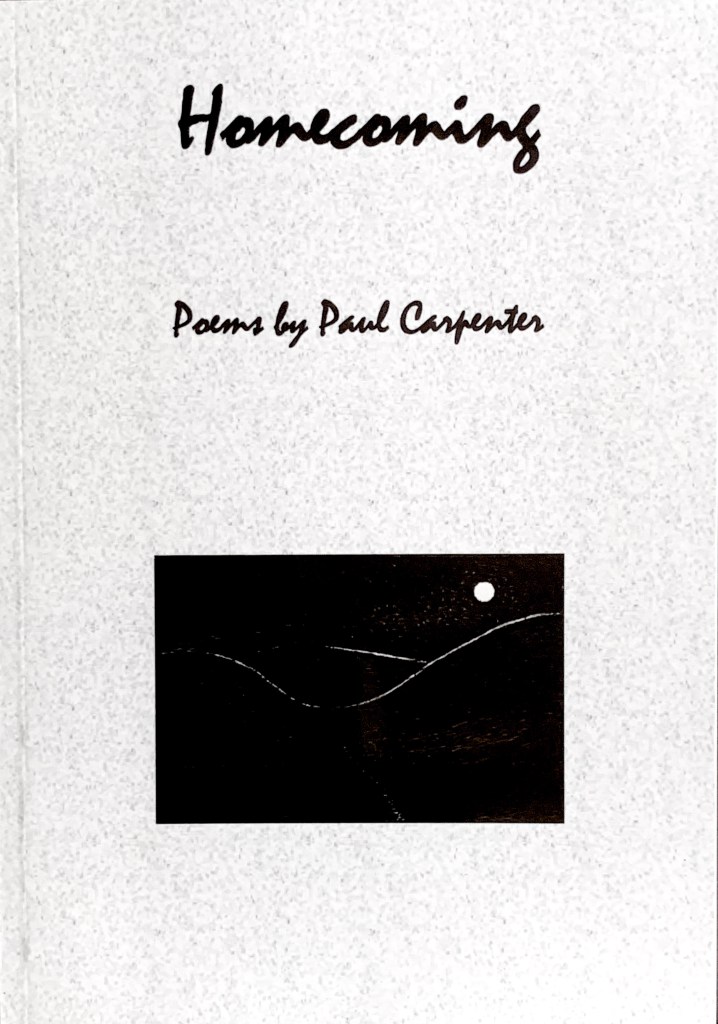

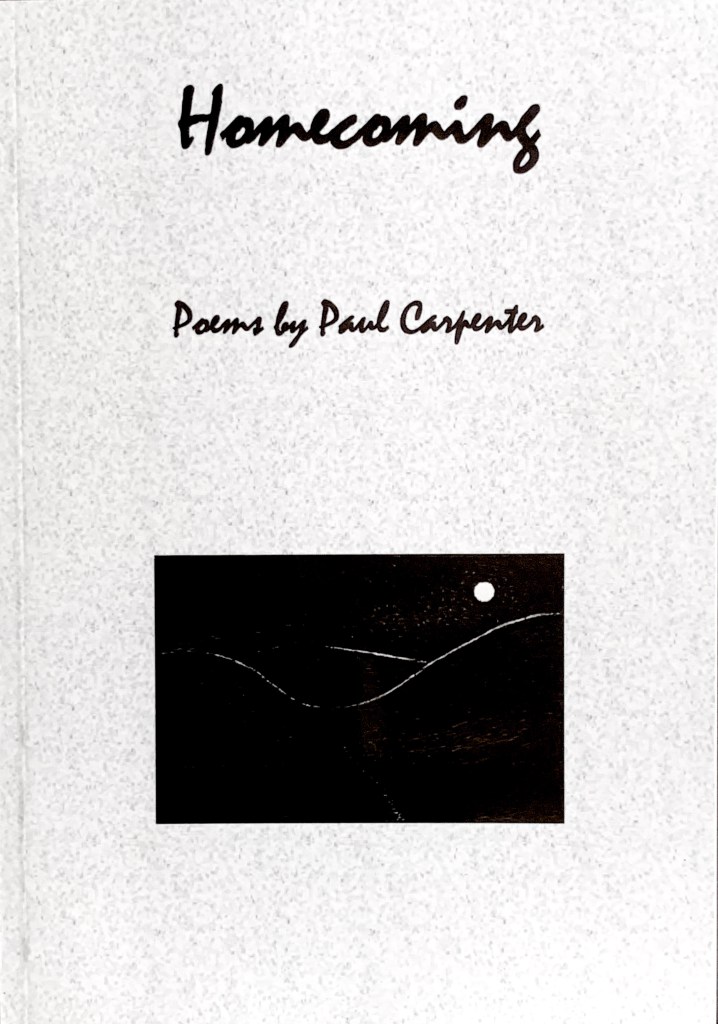

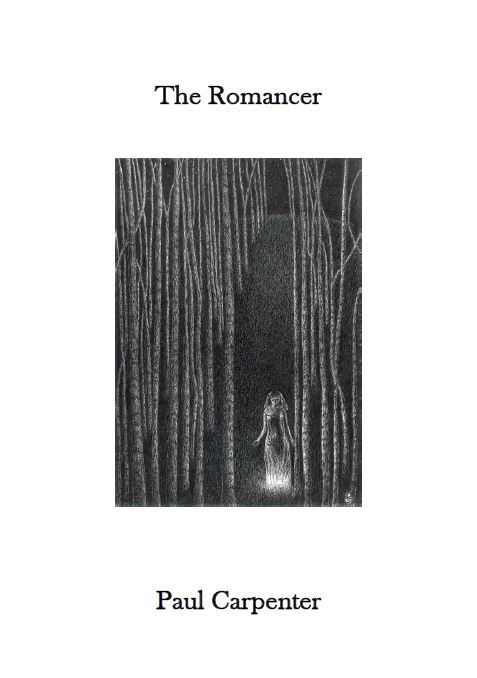

 Paul Carpenter - Poet